- October 24, 2025
Understanding the Science Behind Waterproof Paints
Waterproofing isn’t just about stopping leaks — it’s about understanding the chemistry that keeps moisture out for good. In this blog, we break down how WeatherPrufe’s waterproof paints are designed, tested, and refined to endure South Africa’s toughest coastal and inland conditions.
“True waterproofing paint isn’t just a coating — it’s engineered protection. At WeatherPrufe, every formulation blends science, climate insight, and decades of local testing to seal your surfaces and protect your investment long-term.”
WeatherPrufe’s expert team has worked for decades across the Western Cape, testing waterproof systems from George to Knysna and Mossel Bay. Our experience with real climate conditions has shaped coatings that truly perform — not just in labs, but on real homes across the Southern Cape.
What Makes a Paint Waterproof?
For a paint to be considered waterproof, it must prevent both liquid water and moisture vapour from penetrating the substrate. That requires flexible binders, hydrophobic additives, and a film strong enough to bridge cracks without breaking.
- Hydrophobic additives: Repel water at the molecular level, ensuring rainwater beads off the surface.
- Flexible polymers: Expand and contract with temperature changes, preventing cracks and peels.
- Strong adhesion: Bonds to masonry, plaster, and concrete, sealing micro-gaps effectively.
- UV stabilisers: Protect against degradation under the African sun.
- Breathability balance: Allows trapped moisture to escape while blocking new water from entering.
Key Ingredients in WeatherPrufe Formulations
WeatherPrufe’s premium coatings combine advanced elastomeric resins, silane-siloxane compounds, and nano-particle additives to outperform standard exterior paints.
- Elastocryl Technology: A high-stretch formula that bridges cracks up to 2mm wide.
- UV Defence Additives: Maintains colour and surface integrity even under constant sunlight.
- Waterproof Resin Systems: Create a continuous film that resists rain, wind, and sea spray.
- Anti-fungal Agents: Stops black mould and algae growth common in humid coastal towns.
- High Solids Content: Builds a thicker, more protective barrier per coat than conventional paints.
Waterproofing Paint Products
WeatherPrufe Paints offers high quality waterproofing paint options with 10 years warranty, we believe in doing it right the first time!
-

WeatherPrufe WeatherBond Enhance
An acrylic dispersion designed for use in cementitious coatings.
(No) -

WeatherPrufe Super Acrylic ST™
High solids coating for application to ‘torch-on’ bituminous membranes.
(No) -

WeatherPrufe Elastocryl™
High film build pure acrylic waterproofing compound designed to dry quickly in low temperatures.
Incorporates European technology optimizing film formation in winter conditions.
(No) -

WeatherPrufe WeatherKlad™
Fibre textured Pure Acrylic for exterior waterproofing and heavy-duty weather protection.
Ideal for our harsh South African climate.
(No)
Acrylic vs. Elastomeric Coatings
Not all waterproof paints are equal. Acrylic coatings offer water resistance, but elastomeric coatings deliver true waterproofing due to their flexibility and elasticity.
- Acrylic Coatings: Suitable for mild climates; provide water resistance but limited crack bridging.
- Elastomeric Coatings: Stretchable membranes ideal for roofs and walls that expand and contract.
- Film Thickness: Elastomeric coatings are typically applied thicker for better protection.
- Longevity: Elastomeric films can last 8–12 years with minimal maintenance.
- Best Use: Acrylics for vertical walls; elastomerics for exposed or high-rainfall surfaces.
How Humidity and UV Affect Waterproof Coatings
South Africa’s unique climate poses two main challenges: humidity and ultraviolet exposure. Both can degrade paint if not properly formulated.
- Humidity Damage: Leads to blistering, bubbling, and mould if vapour can’t escape.
- UV Fading: Causes chalking and colour loss over time.
- Resin Breakdown: Poor-quality paints lose flexibility under heat stress.
- WeatherPrufe UV Resistance: Retains colour and strength for years under full coastal sun.
- Dual Protection: Combines vapour breathability with complete surface sealing.
Comparing WeatherPrufe Elastocryl to Market Alternatives
WeatherPrufe Elastocryl stands out through its long-lasting flexibility, thicker film build, and specialised South African testing. Competing imports often fail within three years under coastal humidity.
- Thicker Coating Film: Up to 60% more solids than typical paints.
- Enhanced Crack Bridging: Handles structural expansion without splitting.
- Climate-Tuned Chemistry: Formulated for local temperatures and UV intensity.
- Proven Durability: Tested against leading global brands with superior retention.
- Warranty Confidence: Backed by real performance data, not just lab results.
Maintenance Schedule for Long-Term Protection
Even the best waterproof paint benefits from proper upkeep.
Follow this simple routine to ensure your walls and roofs stay fully protected year-round:
- Annual Inspection: Check for peeling, cracks, or chalking.
- Clean Surfaces: Use mild detergent to remove dirt and salt deposits.
- Touch-Up Cracks: Recoat with Elastocryl if minor expansion joints appear.
- Recoat Cycle: Every 7–10 years depending on exposure levels.
- Professional Assessment: Visit a WeatherPrufe branch for expert recoat advice.
Local Expertise Matters
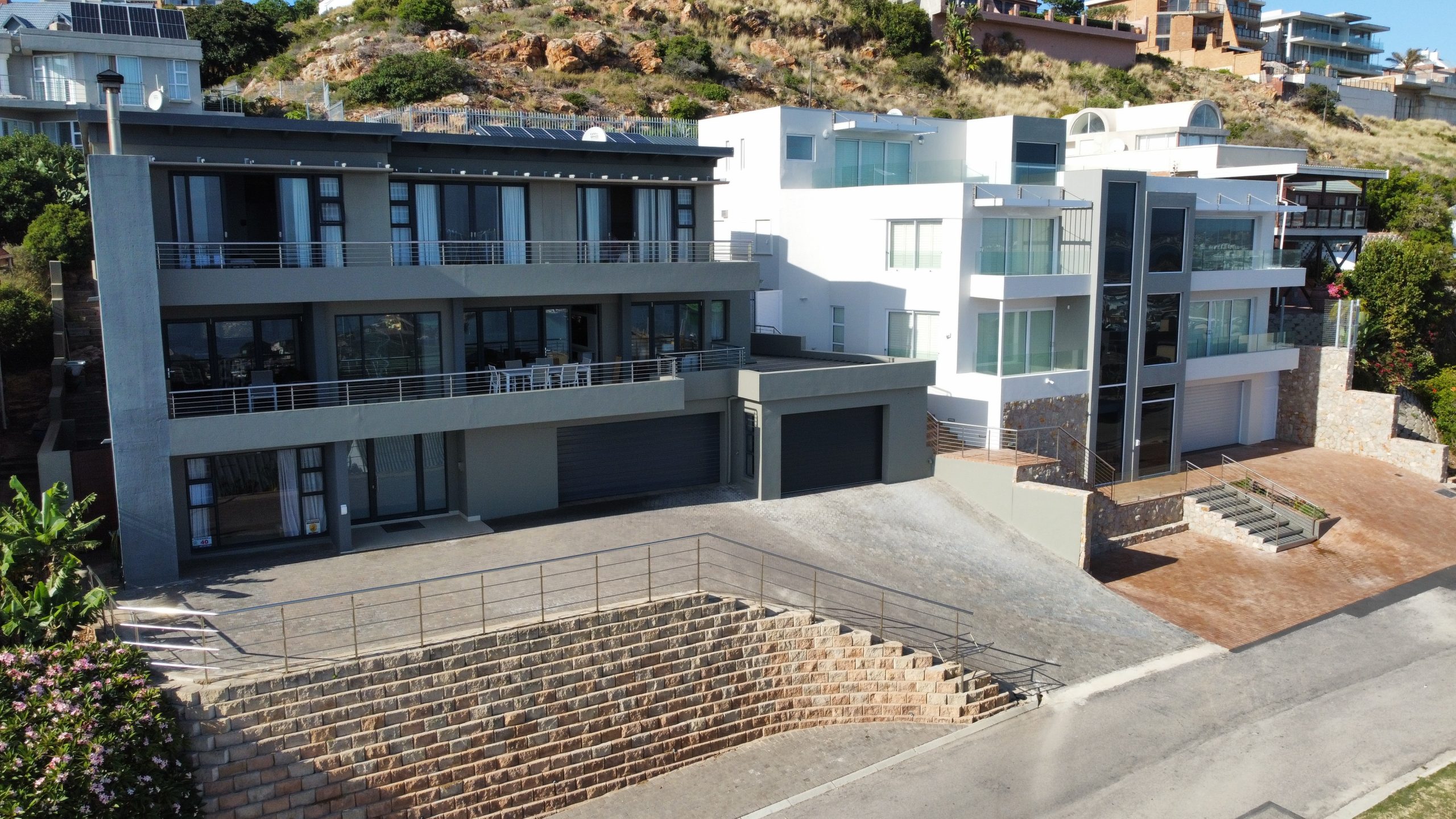
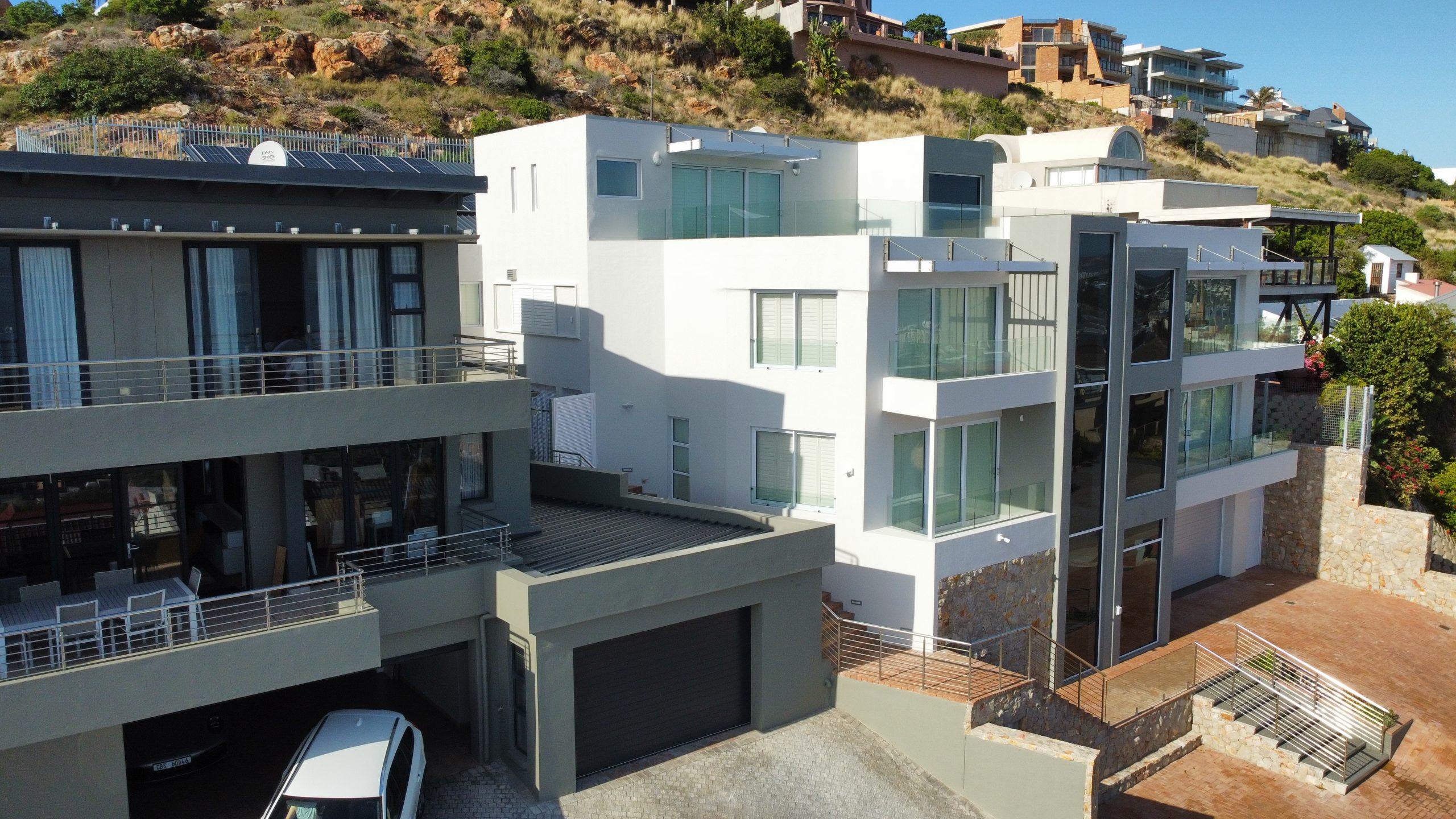
We’ve waterproofed homes from Cape Town’s Atlantic winds to George’s coastal rains — every project refines our mastery of waterproof paint designed to protect Western and Southern Cape properties for decades.
Living and working in Southern Cape towns like Knysna and Mossel Bay has shown us how salty mist and wind eat away at poor-quality paints within just a season.
From George’s beachfront to Wilderness’s cliffside homes, we’ve spent decades guiding homeowners with solutions that truly stand up to coastal challenges.
Contact Us
WeatherPrufe Paint Shop – Western Cape
📍 Shop 1, Flamingo Square, Study St, Table View, Cape Town, 7441
📞 Tel: 083 445 6126
✉️ Email: info@weatherprufe.co.za
➡️ Find us on Google Maps
WeatherPrufe Paint Shop – Southern Cape
📍 22 Market Street, George, 6529
📞 Tel: 087 164 6086
✉️ Email: info@weatherprufe.co.za
➡️ Find us on Google Maps